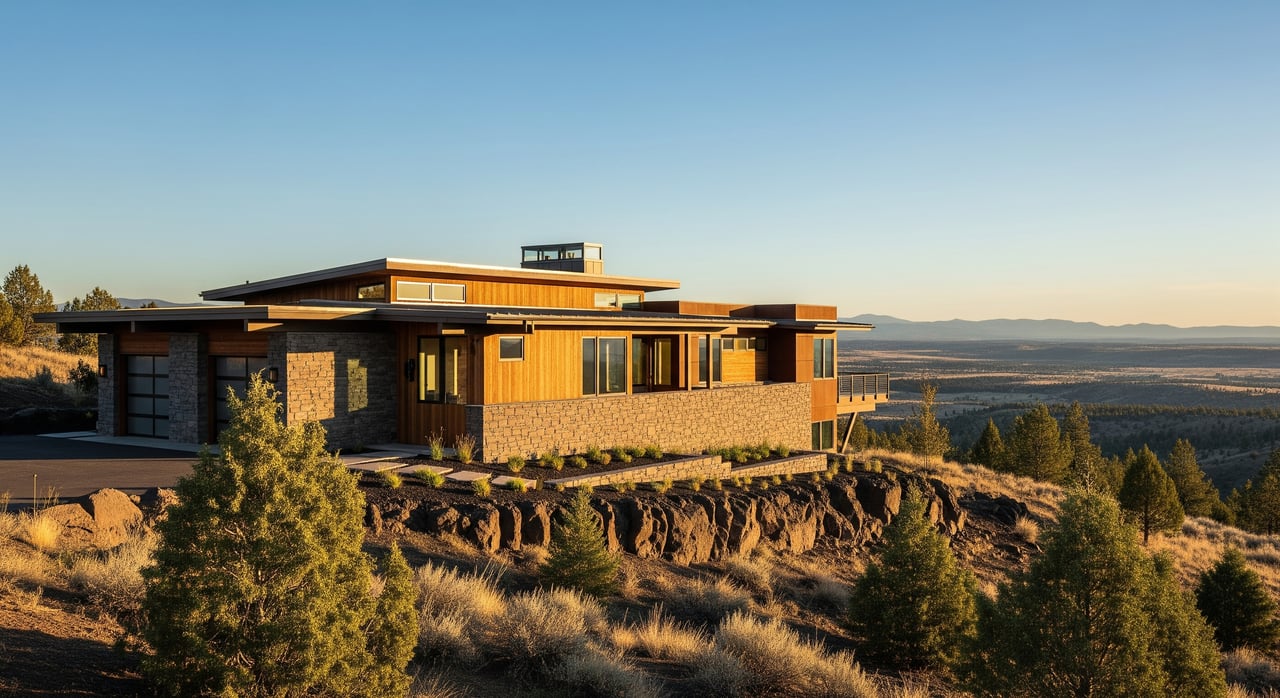
Thinking about building on a North Rim homesite or updating your exterior and landscape? The process is exciting, but design rules and approvals can feel complex at first glance. You want clarity, a smooth path to approval, and a final result that fits the high‑desert setting. This guide walks you through how the Architectural Review Committee, or ARC, typically works, what materials and landscape styles are encouraged, and how to submit a complete package with fewer delays. Let’s dive in.
What the ARC Does
Private design authority
The ARC exists to protect the community’s character. It reviews siting, exterior architecture, materials, colors, lighting, and landscaping against recorded standards in documents such as CC&Rs and Design Guidelines. ARC approval is usually required before you start any new home, exterior remodel, or major landscape change. Even if you secure a building permit from the city or county, you can still be in violation of the community rules without ARC approval.
Permits vs. ARC approval
ARC approval is not a substitute for public permits. You will still need building and land‑use approvals from the City of Bend if the lot is inside city limits, or from Deschutes County if the lot is outside city limits. Many projects need both ARC approval and municipal permits, and the sequence can matter. Some ARCs issue conditional approvals that depend on permit review, while others ask for a final permit set before giving a green light.
Where to verify rules
Start with the recorded plat and CC&Rs, which spell out ARC authority and owner obligations. Then obtain the neighborhood Design Guidelines, application forms, fees, and meeting schedule from the HOA or property manager. For permitting questions, contact City of Bend Planning and Building or Deschutes County Community Development based on your lot’s location.
Exterior Design Essentials
Materials and colors
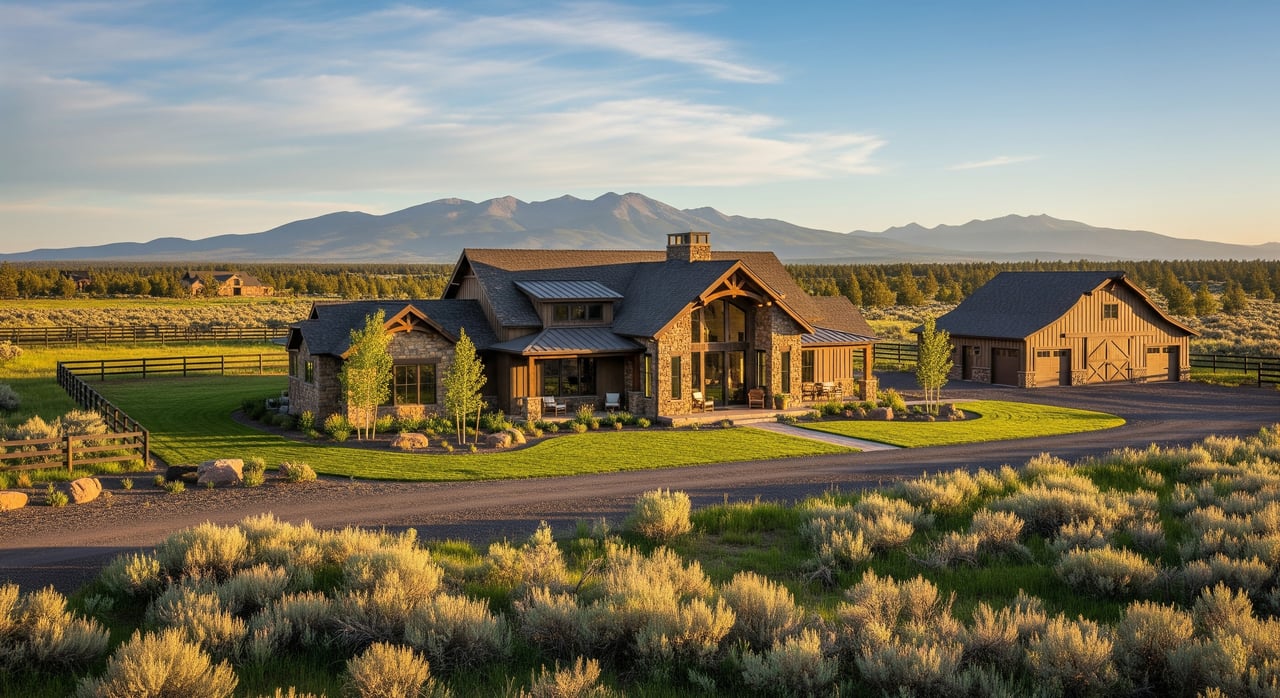
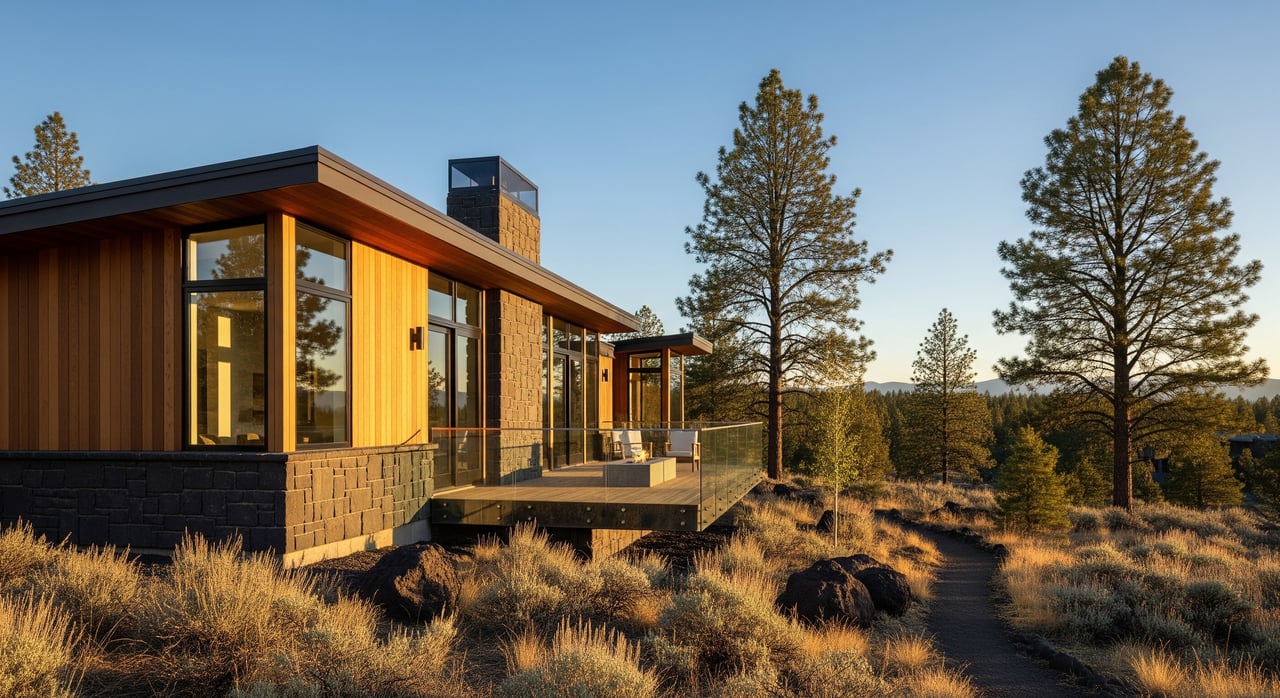
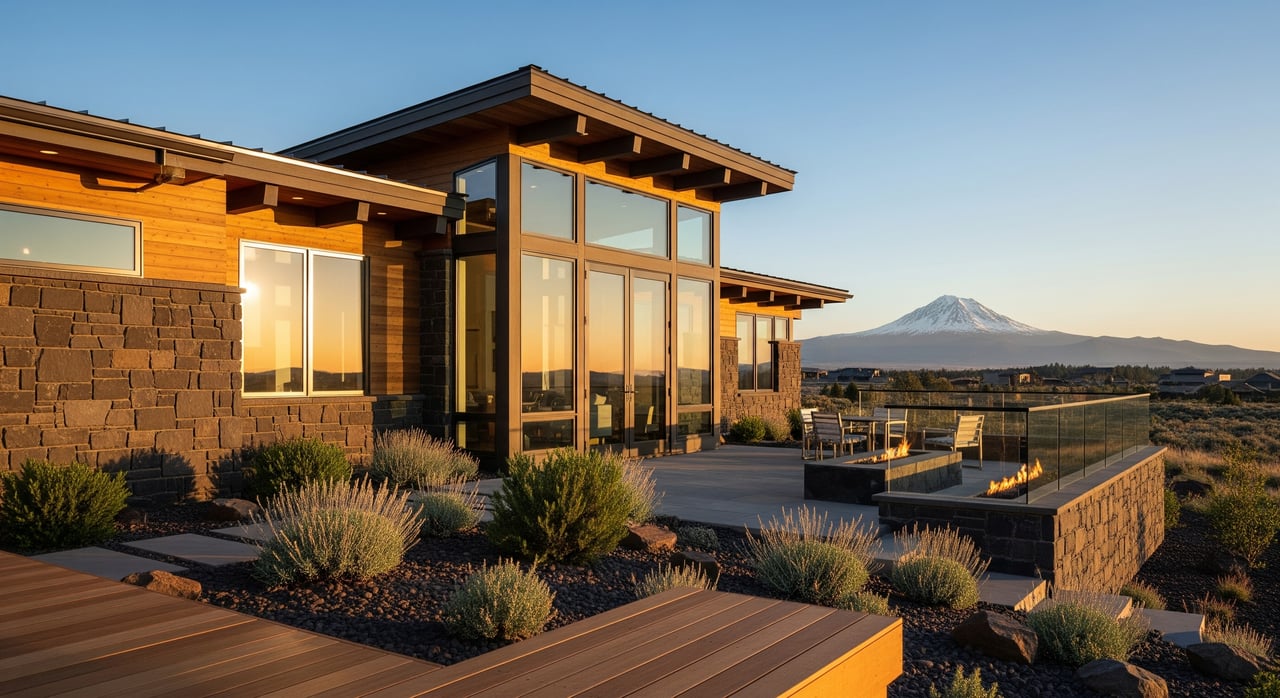
Guidelines in the Bend and Redmond area prioritize context‑sensitive, natural materials that blend with the high‑desert landscape. You will typically see native stone or quality stone veneer, wood or wood‑look fiber cement siding, timber accents, and earth‑tone stucco. Color palettes are usually low‑saturation earth tones like browns, grays, warm greens, and muted tans. High‑chroma or bold primary colors on main elevations are commonly restricted.
Roofs and details
Approved roof types often include architectural composition shingles, standing seam metal in muted tones, and natural slate or tile where compatible. Highly reflective or brightly colored roofs are often limited. Deep overhangs, substantial trim, and crafted details like exposed rafter tails or timber elements are frequently encouraged.
Massing and garages
To reduce visual bulk, designs that break the mass into smaller components tend to fare best. Porches, recessed entries, and stepped rooflines are common tools. Garages are often required to be side‑loaded, recessed, or otherwise secondary to the front entry. Limiting garage door prominence helps the streetscape read as residential rather than utilitarian.
Windows and glazing
Window proportions should reflect the approved regional style and the site’s view opportunities. Dark, muted finishes for frames and mullions are typical. Highly reflective or mirrored glazing is often restricted to avoid glare that can impact neighbors and views.
Mechanics and solar
Plan to locate and screen exterior equipment. AC units, generators, tanks, and satellite dishes should be concealed from street and neighbor views with landscape, fencing, or screen walls. Many communities allow solar while regulating placement for visibility and glare, so confirm the current ARC policy for panel locations and screening.
Lighting and fencing
Night‑sky friendly fixtures are commonly required. Expect limits on fixture brightness, shielding to direct light downward, and warmer color temperatures. Fences and walls should match the community’s natural aesthetic in material and color. Chain‑link and bright vinyl styles are typically not allowed, and height and placement are usually controlled by plat or CC&Rs.
Fixed vs. flexible
Expect firm rules on material categories, color families, roof types, garage prominence, building envelopes, tree preservation, and lighting restrictions. There is often flexibility on specific product brands within an approved category, minor color variations inside the palette, and small refinements to window placement or size. Interior finish choices are usually outside ARC scope, unless they affect exterior glazing or mechanical systems.
Landscape and Site Standards
Native‑first approach
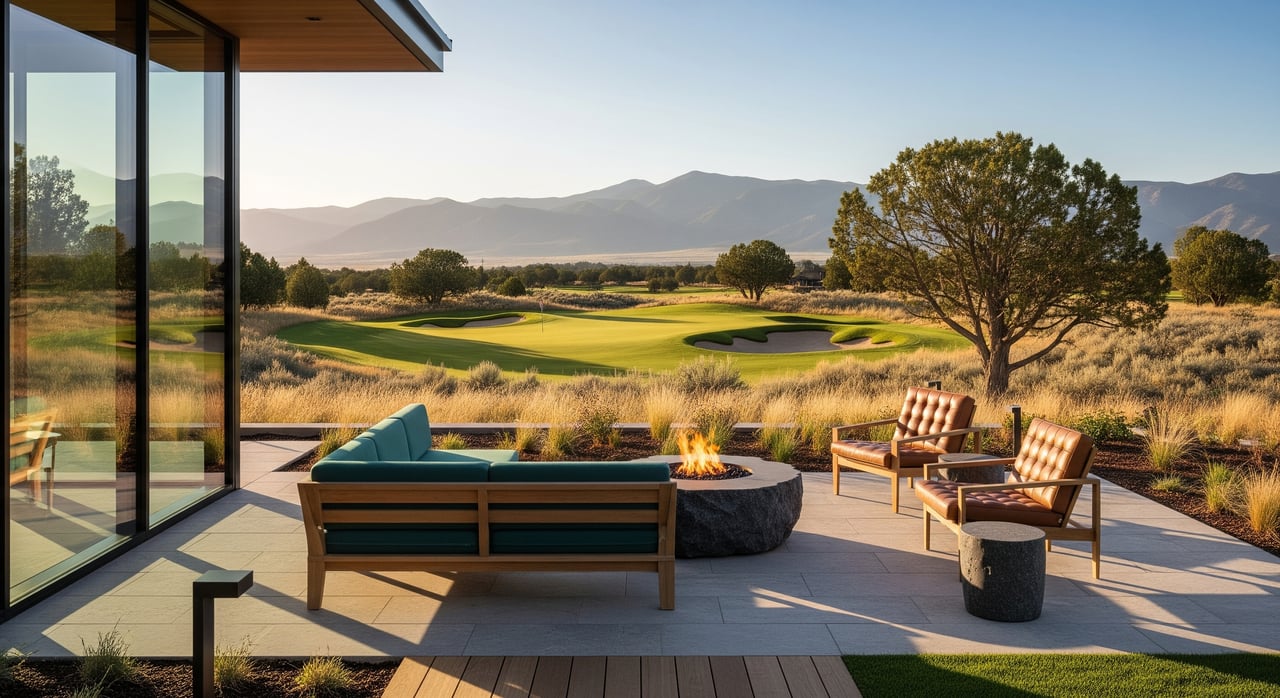
Landscaping often centers on protecting native habitat like sagebrush, bunchgrasses, and ponderosa pine while conserving water. Plans that maintain the natural visual character are preferred. Plant lists typically emphasize native or drought‑tolerant species.
Irrigation and water use
Efficient irrigation is expected. Drip systems and separate hydrozones are common requirements, and some communities use water budgets or limit irrigated areas. In your plan, label the irrigation approach and show zones clearly.
Grading and stormwater
Your submittal should show cut and fill, with attention to how water moves across the site. Pervious paving is often encouraged, and limits on impervious coverage may apply. Engineered retaining walls require permits and can affect ARC approval, so include details early.
Amenities and outbuildings
Outdoor kitchens, pools, fences, play equipment, sheds, and sports courts almost always need ARC approval and may need municipal permits. Deck, railing, and pergola materials should match or harmonize with the home. Show screening and sound considerations if equipment is part of the design.
Seasonal planning
High‑desert winters require a plan for snow storage. Identify storage locations and show how you will prevent snow and runoff from impacting neighboring properties or streets.
How to Prepare a Complete Submittal
Your ARC checklist
- Completed ARC application with owner, architect, and contractor contacts.
- Site plan with property lines, setbacks, building footprint, driveway, utilities, grades, tree locations and protection, and erosion control.
- Floor plans and exterior elevations for all sides, labeled with materials and finishes.
- Roof plan with materials, slopes, and any chimneys, skylights, or solar.
- Exterior materials and color schedule with physical samples or manufacturer codes and cut sheets.
- Landscape plan with plant list, quantities and sizes at planting, irrigation layout, and hardscape materials.
- Lighting plan showing fixture types, locations, shielding, and photometrics if required.
- Drainage and stormwater plan and any civil engineering, grading, or retaining wall details.
- Photos of the lot and neighboring façades to show context and streetscape.
- Construction timeline and staging plan including temporary fencing, parking, and stockpiles.
- Required fees and any escrow or deposit for construction compliance.
Review steps and timing
A typical path looks like this: a pre‑application conversation, formal submission, completeness check, design review with comments, resubmittal if needed, final decision with conditions, then construction compliance and a final inspection. Initial reviews often take 2 to 6 weeks. Complex designs, heavy workloads, or multiple resubmittals can extend timelines. Some ARCs meet on set dates with submission cutoffs, while minor items may be handled administratively.
Common pitfalls to avoid
- Missing documents, such as elevations, samples, irrigation details, or photometrics.
- Materials or colors outside the approved palette.
- Insufficient tree protection or excessive removal of healthy native trees.
- Garages that dominate the front elevation or conflict with siting rules.
- Unresolved grading or drainage that affects neighbors or easements.
- Lighting that is too bright or unshielded.
- Encroaching on easements or building outside the recorded envelope.
Construction compliance
ARC approvals may include conditions, a pre‑construction meeting, deposits, and compliance checks during and after construction. Unapproved field changes or poor site protection can lead to stop‑work notices or fines under the CC&Rs. A final completion inspection is often required before escrow funds are returned or before occupancy.
Smart Next Steps
Documents to request
Ask for the recorded plat, CC&Rs, and the most current Design Guidelines. Request the ARC application forms, fee schedule, construction escrow rules, and the meeting calendar. Obtain applicable city or county development codes and any utility standards that affect your lot.
Who to contact
Start with the North Rim HOA or its property manager for community documents. If you need recorded copies, the Deschutes County Recorder’s Office can help with plats and declarations. For permits and land‑use, contact City of Bend Planning and Building if inside city limits, or Deschutes County Community Development if outside.
Questions to ask
- Can you share the latest Design Guidelines, application, fees, construction escrow, and meeting schedule?
- Are there any recent amendments, variances, or plan changes that affect my lot?
- Are solar panels allowed and are there preferred roof planes or screening rules?
- What is the typical review timeline and resubmittal turnaround?
- Are there view corridors, natural areas, or tree protection zones on or near my lot?
- Should I schedule a pre‑application meeting with City or County staff?
Wrap‑Up
Building or remodeling in North Rim becomes far easier when you know what is fixed and what is flexible. Get the core documents, plan for both ARC and city or county permits, and submit a complete, well‑coordinated package. The more you address materials, massing, landscape, lighting, and drainage upfront, the faster you move from concept to construction.
If you are weighing a lot purchase or planning an exterior project in the Bend and Redmond area, connect with a local advocate who understands neighborhood standards and the high‑desert context. For guidance on site selection, resale considerations, and the process from offer to keys, reach out to Lisa Cole.
FAQs
What is an ARC in North Rim?
- It is the community’s Architectural Review Committee that evaluates exterior design, siting, materials, colors, lighting, and landscaping for fit with recorded standards.
Do I still need city or county permits?
- Yes, ARC approval is separate and does not replace permits from the City of Bend if inside city limits or Deschutes County if outside.
What materials and colors usually fit?
- Natural stone, wood or wood‑look siding, timber accents, and earth‑tone palettes in muted browns, grays, greens, and tans are typically encouraged.
How long does approval take?
- Initial ARC reviews commonly take 2 to 6 weeks, with more time for complex projects or resubmittals and for ARCs with set meeting cycles.
What causes denials or delays?
- Incomplete submittals, out‑of‑palette materials or colors, missing tree protection, garage prominence, drainage conflicts, or noncompliant lighting are common issues.
Are solar panels allowed in the community?
- Many communities allow solar with placement and screening rules, so confirm North Rim’s current policy and show locations on your roof plan.